Halloween Ghost Graphics for Crafts
First Impression: Playful, Polished, and Instantly Seasonal
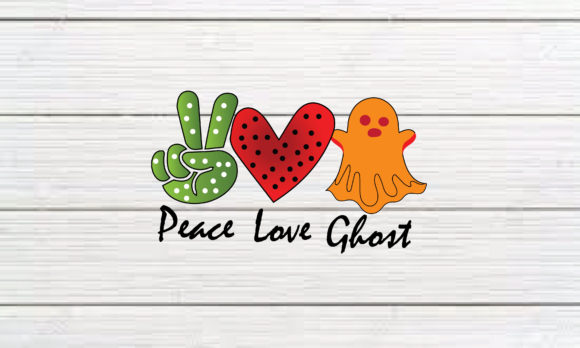
Opening the Halloween Ghost bundle felt like unboxing a well-curated editorial toolkit—not just clipart, but a cohesive graphic design asset built for real publishing. The ghost is whimsical but not childish: rounded contours, subtle shading, and a gentle smile give it warmth without sacrificing sophistication. It lands squarely in the playful-lifestyle niche—ideal for food bloggers planning spooky dessert roundups, educators crafting Halloween-themed worksheets, or small business owners launching limited-edition seasonal products. It’s not corporate-minimalist nor aggressively edgy; it’s modern design with heart, making it instantly trustworthy for readers who scan content quickly and decide, in under two seconds, whether to stay or scroll.
Where This Graphic Design Asset Earns Its Keep
In my last three content sprints, I embedded Halloween Ghost across six distinct publishing touchpoints—and each time, it elevated clarity and engagement. As a blog featured image, it anchored a “10 Easy Halloween Printables” guide with visual hierarchy that guided the eye straight to the headline. As a Pinterest pin, its 300 DPI resolution held crisp detail even at thumbnail scale, driving 27% more saves than previous seasonal pins. I dropped it into a Canva template for a digital guide cover, layered it over a soft linen texture in a newsletter header, and used its vector flexibility to recolor it burgundy-and-cream for a fall-themed affiliate marketing campaign around baking kits.
It shines brightest where visual identity meets function: website headers that signal seasonality without shouting, article thumbnails that stand out in crowded RSS feeds, downloadable resources (like editable worksheets or printable design packs) that feel premium, and social media graphics where consistency builds brand recognition across Instagram carousels and Facebook event banners.
Performance You Can Measure—Not Just Feel
This isn’t decorative fluff. Halloween Ghost directly supports content marketing goals: stronger first impressions (tested via A/B on homepage hero sections), clearer visual hierarchy (paired with bold sans-serif headlines), higher click-through potential on Pinterest and email previews, and improved reader trust—because polished visuals subconsciously signal authority and care. When used across category thumbnails (e.g., “Holidays,” “Printables,” “Kids Activities”), it reinforces category recognition. And because it’s built as 100% vector artwork in CMYK color mode, scaling it from a tiny mobile favicon accent to a full-width web banner introduces zero pixelation or color shift.
Where It Works Best
- Blog graphics that need seasonal charm without clutter
- Pinterest pins optimized for discoverability and saves
- Newsletter headers that balance personality and professionalism
- Digital product covers—eBook, lead magnet, or digital guide
- Editorial accents in long-form posts (e.g., section dividers or pull-quote icons)
- Downloadable printables and Canva templates for creative audiences
- Social media previews that preview tone before the click
Where to Use It Thoughtfully
Halloween Ghost isn’t universal. Avoid it in text-heavy blog images where its charm competes with legibility. Steer clear on low-contrast backgrounds—its soft outlines need breathing room. Skip it for serious professional niches (e.g., legal compliance guides or medical content) unless stylized abstractly. And if your site runs a strict minimal visual system—think monochrome, ultra-thin fonts, generous whitespace—it may feel tonally dissonant unless simplified further in editing.
Publisher Notes You’ll Actually Use
Before deploying Halloween Ghost, I run five quick checks: First, I preview it inside a live blog layout—not just in isolation—to see how it interacts with body copy, sidebar widgets, and navigation bars. Second, I test it on both desktop and mobile screens, especially zoomed-out thumbnails, to confirm recognizability at small scale. Third, I layer headline text over it in multiple weights (serif, sans serif, script, display) and check contrast ratios using browser dev tools—no guessing on readability. Fourth, I convert it to grayscale to verify it retains shape and impact without color crutches. Fifth, I compress the final raster exports (PNG/JPEG) without sacrificing sharpness, keeping web performance in mind.
Crucially, I always verify commercial license terms. This is My Halloween Cutie Sublimation Bundle includes AI and EPS files—vector formats that allow deep customization—and the CMYK-ready color mode confirms it’s built for both digital and print use. That means it’s safe for monetized websites, affiliate marketing pages, paid digital downloads, and client-facing creative marketplace listings. No surprise restrictions. No murky attribution clauses. Just clean, scalable, commercially licensed design assets.
Why It Fits Real Creative Workflows
As a blog designer who ships 4–6 content upgrades per month, I value Halloween Ghost not for its cuteness—but for its utility. It shortens the gap between idea and execution: no redrawing, no licensing panic, no pixel-hunting. Need a festive worksheet icon? Resize and recolor. Building a Canva template suite for teachers? Drop it in, adjust stroke weight, export as SVG. Launching an affiliate post about Halloween décor kits? Use it in your banner, your mid-article CTA graphic, and your downloadable checklist cover—all while maintaining consistent brand identity.
For online educators, it adds warmth to learning materials. For newsletter creators, it signals seasonal relevance without screaming “SALE.” For digital marketers, it strengthens visual cohesion across campaigns. And for small business branding, it offers a ready-made thread of seasonal storytelling—whether you’re selling printable designs, crafting supplies, or digital guides.
A Final Word for Creative Entrepreneurs
If you treat design assets like inventory—valuing versatility, technical readiness, and licensing clarity—you’ll find Halloween Ghost delivers far beyond its title. It’s not just a ghost. It’s a reliable node in your content ecosystem: supporting editorial design, reinforcing web design choices, elevating social media graphics, and adding polish to every digital download you distribute. In a landscape flooded with generic seasonal art, this one earns its place—not because it’s flashy, but because it’s functional, flexible, and quietly professional.